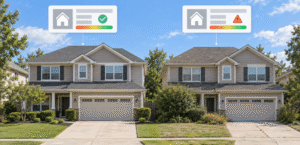


For mortgage servicers, portfolio risk is not static. Property values change, markets shift and loans that once appeared comfortably within established risk parameters can require a closer look. The challenge is knowing where to focus.
Servicing teams managing thousands or even millions of loans cannot manually review the collateral behind every property every time market conditions change. They need efficient ways to access current property valuation data, identify loans that warrant additional attention and prioritize deeper analysis where it can have the greatest impact. That is where portfolio-level valuation can play an important role.
Why Current Property Values Matter in Mortgage Servicing
Historical property values provide useful context, but they do not necessarily reflect current market conditions. For mortgage servicers and portfolio risk teams, having access to current estimates of property value can support ongoing portfolio reviews and provide a more current view of collateral risk.
A portfolio valuation review can help teams:
- Identify loans within established risk parameters: Understand which properties appear to remain within defined valuation thresholds and may require less immediate attention.
- Flag properties for additional review: Identify loans where current valuation information indicates that a deeper analysis may be appropriate.
- Prioritize limited resources: Focus manual reviews, evaluations or other valuation services on properties that warrant additional attention rather than applying the same level of review across an entire portfolio.
Monitor portfolios more efficiently: Conduct batch valuation reviews across broad portfolios instead of relying solely on individual property reviews.
For servicers, the goal is not simply to collect more data. It is to make that data useful in the decisions that matter.
Moving From Portfolio Data to Actionable Insight
VeroVALUE Portfolio is designed for mortgage servicers, investors and other organizations that need frequent access to current estimates of value across a broad portfolio of properties.
Using VeroVALUE, the portfolio solution provides a practical way to conduct batch valuation reviews and evaluate properties at scale. It can help organizations determine which loans may fall within their risk thresholds, which may exceed those thresholds and which may require additional analysis.
The solution can also incorporate additional analytics from the Veros valuation suite, including VeroFORECAST and more. Available portfolio data points include first mortgage data, forecast values, index values and retro valuations, depending on the review. That flexibility matters because not every loan requires the same level of scrutiny.
A portfolio-wide review can help establish where the greatest areas of potential concern are, while more detailed valuation or property-level analysis can be reserved for the loans that warrant it.
A More Focused Approach to Loss Mitigation
Current collateral data can also support loss mitigation teams as they evaluate loans where property value is an important part of the overall risk picture. Rather than treating every loan the same, servicers can use portfolio valuation data to create a more targeted review process:
- Review the portfolio: Obtain current valuation estimates across a broad group of properties.
- Identify potential areas of concern: Compare current valuation information against the organization’s established risk parameters.
- Prioritize additional analysis: Determine which properties may warrant a more detailed valuation, evaluation or other review.
- Focus resources where they matter most: Use the results to help direct operational attention toward the loans requiring additional consideration.
This does not replace the judgment of servicing and loss mitigation professionals. Instead, it gives those teams a more current collateral perspective to inform their decisions.
Why Portfolio-Level Valuation Is Different From Periodic Reviews
A periodic portfolio review can quickly become outdated as market conditions change. For organizations responsible for large residential mortgage portfolios, the ability to access current estimates of value across a broad set of properties provides a more practical way to keep collateral information up to date.
VeroVALUE Portfolio is designed for this need, providing frequent access to current estimates of residential property value across broad portfolios. The result is a more targeted approach to portfolio monitoring: use broad valuation analysis to understand the portfolio, then apply deeper resources where the data indicates they are most appropriate.
A Current View of Collateral Risk
Mortgage servicing teams do not need more data for the sake of having more data. They need valuation information that can help them understand where their portfolio stands and where additional attention may be warranted.
Current collateral data provides that perspective. With VeroVALUE Portfolio, servicers can evaluate property values across broad portfolios, identify potential areas for further review and make better use of valuation resources.
Learn how VeroVALUE Portfolio can support your mortgage portfolio review and collateral risk strategy.